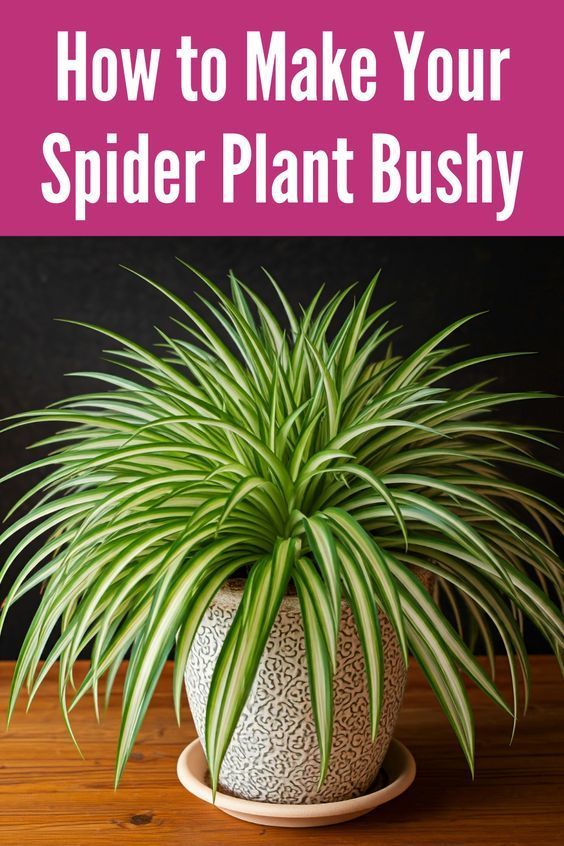
Spider plants are one of the easiest and most rewarding houseplants to grow. Their graceful green-and-white striped leaves brighten any room, and with the right care, they can become lush, full, and overflowing with healthy foliage. If your spider plant looks thin or leggy, don’t worry—there are simple ways to encourage fuller growth.
Here are the best tips to help your spider plant grow bushy and healthy.
1. Give It Bright, Indirect Light
Spider plants thrive in bright, indirect sunlight.
Place your plant:
- Near an east-facing window
- A few feet from a south or west-facing window
- Away from harsh afternoon sun
Proper lighting encourages faster, fuller leaf growth.
2. Water Consistently
Keep the soil lightly moist but never soggy.
Water when:
- The top 1–2 inches of soil feel dry
Avoid letting the soil stay completely dry for long periods, as this can slow growth.
3. Feed During the Growing Season
Use a balanced liquid houseplant fertilizer once a month during spring and summer.
Too much fertilizer can burn the roots, so always follow the recommended dosage.
4. Repot When Root-Bound
Spider plants naturally become root-bound over time.
If roots are growing through the drainage holes or circling the pot, move the plant to a pot that’s 1–2 inches larger.
Fresh soil and extra space encourage new growth.
5. Trim Brown Leaf Tips
Remove damaged or brown tips with clean scissors.
Pruning helps the plant:
- Look healthier
- Focus energy on producing fresh leaves
- Maintain a tidy appearance
6. Remove Old or Damaged Leaves
Cut away yellow, wilted, or damaged leaves at the base.
This improves airflow and encourages the plant to grow new, healthy foliage.
7. Increase Humidity
Spider plants enjoy moderate humidity.
Boost humidity by:
- Placing a humidifier nearby
- Setting the pot on a pebble tray with water
- Grouping plants together
Higher humidity keeps leaf tips from drying out.
8. Use Well-Draining Soil
Choose a light, airy potting mix that drains well.
A quality indoor plant mix with added perlite helps prevent root rot while promoting healthy roots.
9. Rotate the Pot Regularly
Turn the pot every week or two so all sides receive equal light.
This encourages balanced, even growth instead of leaning toward one direction.
10. Grow the Baby Spiderettes
Don’t remove every baby plant.
Leaving some spiderettes attached creates a fuller, cascading appearance and makes the plant look even bushier.
11. Keep Temperatures Comfortable
Spider plants grow best between 65°F and 80°F (18°C–27°C).
Avoid placing them near:
- Heating vents
- Air conditioners
- Cold drafts
Consistent temperatures encourage steady growth.
12. Keep the Leaves Clean
Dust can block sunlight from reaching the leaves.
Wipe the foliage gently with a damp microfiber cloth every few weeks to help the plant photosynthesize efficiently.
Common Mistakes to Avoid
- Overwatering the soil
- Placing the plant in direct afternoon sun
- Using pots without drainage holes
- Ignoring root-bound plants
- Overfertilizing
- Letting dust build up on the leaves
Final Thoughts
A bushy spider plant is the result of consistent care, bright indirect light, proper watering, and occasional maintenance. By following these simple tips, you’ll encourage healthy new growth and enjoy a fuller, greener plant that becomes a beautiful focal point in your home. With a little patience, your spider plant will reward you with lush foliage and plenty of baby spiderettes to share or propagate.