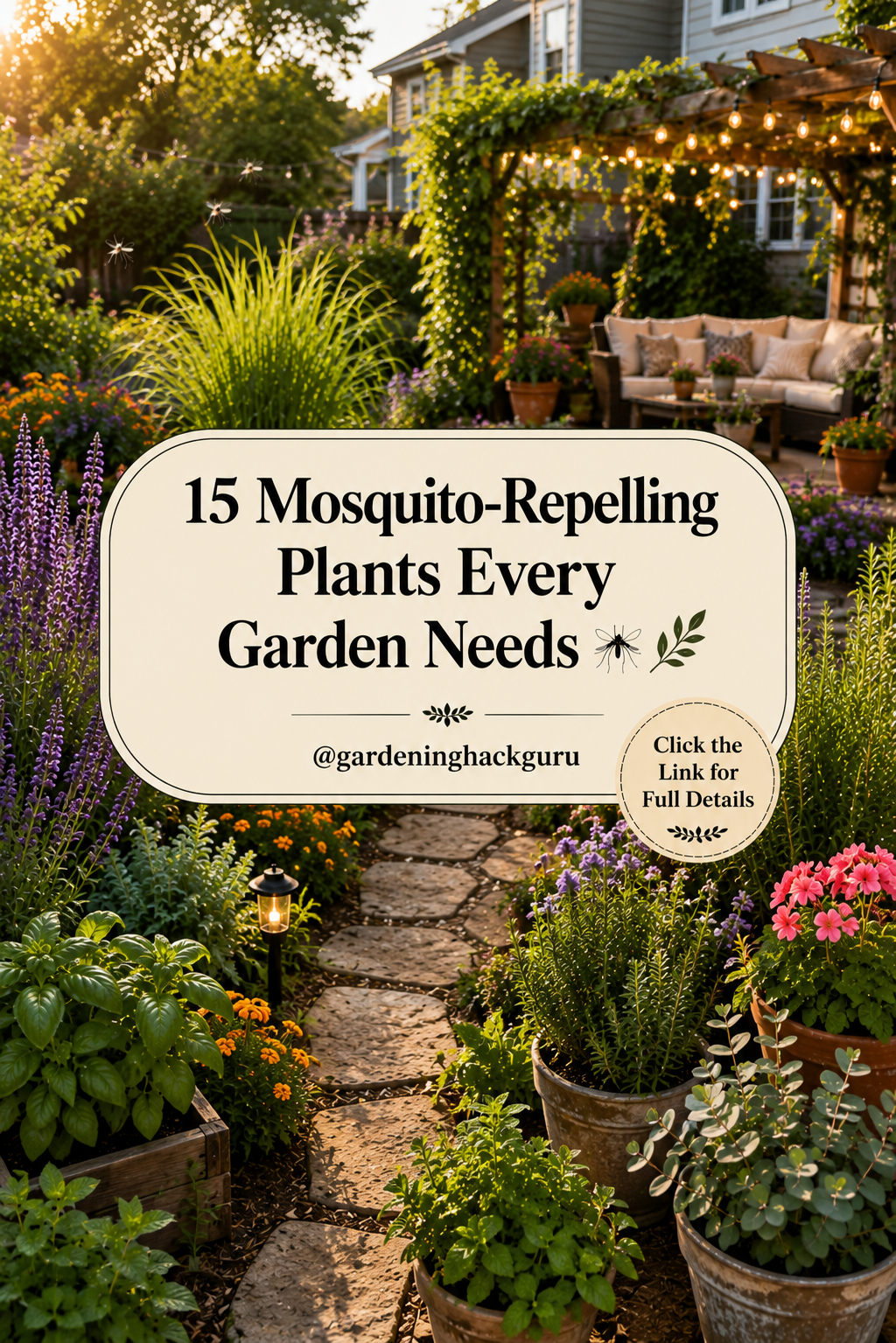
Nothing ruins a relaxing evening in the garden faster than buzzing mosquitoes. While sprays and chemical repellents offer temporary relief, nature provides a beautiful and long-lasting solution. Many plants contain natural oils and fragrances that mosquitoes dislike, making them excellent additions to your landscape.
By filling your garden, patio, or balcony with mosquito-repelling plants, you can create a more enjoyable outdoor space while adding color, fragrance, and attracting beneficial pollinators like bees and butterflies. Here are 15 of the best mosquito-repelling plants every garden should have.
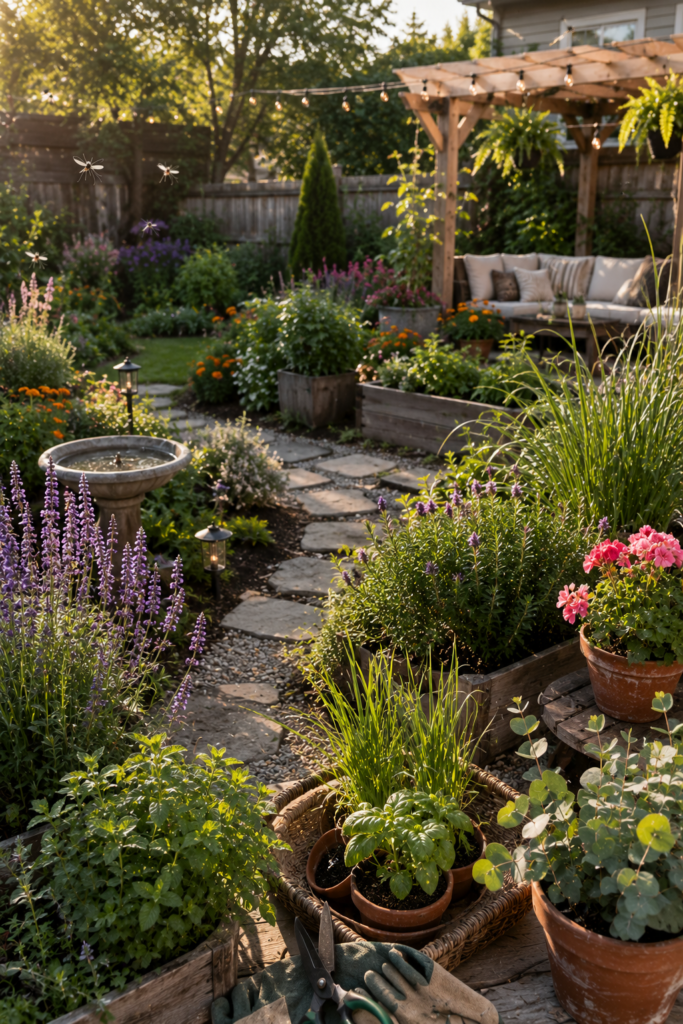
1. Lavender
Lavender is one of the most popular mosquito-repelling plants thanks to its strong floral fragrance. While people love its relaxing scent, mosquitoes tend to avoid it.
Plant lavender in sunny flower beds, along pathways, or in decorative containers for both beauty and protection.
2. Citronella Grass
Citronella grass is famous for its fresh citrus scent and is commonly used in natural mosquito repellents.
It grows best in warm climates and makes an attractive feature in large pots or garden borders.
3. Marigolds
Bright orange and yellow marigolds contain pyrethrum, a natural compound that helps deter mosquitoes and other garden pests.
Plant them around vegetable gardens, patios, and walkways for extra protection.
4. Basil
Basil isn’t just for cooking. Its fragrant leaves naturally discourage mosquitoes while providing fresh herbs for your favorite recipes.
Grow basil in pots near doors, windows, and outdoor dining areas.
5. Rosemary
Rosemary’s woody fragrance helps keep mosquitoes away while adding flavor to grilled meats, roasted vegetables, and breads.
It thrives in sunny locations with well-drained soil.
6. Mint
Mint grows quickly and releases a refreshing aroma that mosquitoes dislike.
Because mint spreads aggressively, it’s best grown in containers to keep it under control.
7. Lemongrass
Lemongrass contains citronella oil, making it another excellent natural mosquito repellent.
Its tall green leaves also add beautiful texture to garden landscapes.
8. Catnip
Studies have shown that catnip can be highly effective at repelling mosquitoes.
Besides attracting cats, it produces delicate flowers that pollinators also enjoy.
9. Sage
Sage gives off a strong earthy scent that mosquitoes avoid.
It’s easy to grow and looks beautiful in herb gardens, raised beds, or decorative pots.
10. Bee Balm
Bee balm produces vibrant red, pink, and purple flowers that attract hummingbirds and bees while helping discourage mosquitoes.
It’s perfect for colorful cottage gardens.
11. Geraniums
Scented geraniums, especially citronella varieties, release fragrances that mosquitoes dislike.
Their colorful blooms also brighten patios, balconies, and front porches.
12. Eucalyptus
Eucalyptus contains aromatic oils widely used in natural insect repellents.
Smaller varieties grow well in large containers and become attractive statement plants.
13. Thyme
Lemon thyme releases fragrant oils when brushed or walked past, helping reduce mosquitoes around seating areas.
It also serves as an attractive ground cover.
14. Oregano
Oregano produces aromatic leaves that naturally help repel insects while providing delicious seasoning for countless recipes.
It’s easy to grow in raised beds and containers.
15. Garlic
Garlic’s strong scent helps discourage mosquitoes and many other unwanted garden pests.
Plant it among flowers and vegetables for natural pest control.
How to Create a Mosquito-Repelling Garden
For the best results, combine several mosquito-repelling plants throughout your landscape.
Plant them:
- Around patios
- Along walkways
- Near doors and windows
- Around outdoor seating areas
- In raised garden beds
- In decorative containers
- On balconies and porches
Layering different plants creates both a beautiful and functional garden.
Extra Ways to Reduce Mosquitoes
Plants work even better when combined with good garden maintenance.
- Remove standing water regularly.
- Clean birdbaths every few days.
- Trim overgrown vegetation.
- Keep gutters clean.
- Mow the lawn regularly.
- Add fans to outdoor seating areas.
- Water plants early in the morning.
- Use mulch to reduce damp soil.
Together, these habits create an outdoor space that is much less attractive to mosquitoes.
Benefits of Mosquito-Repelling Plants
Besides helping keep mosquitoes away, these plants offer many additional benefits.
They:
- Add beautiful flowers and greenery.
- Attract bees, butterflies, and hummingbirds.
- Fill the garden with pleasant natural fragrances.
- Provide fresh herbs for cooking.
- Reduce the need for chemical repellents.
- Improve biodiversity.
- Enhance your outdoor living space.
Your garden becomes healthier, more colorful, and more enjoyable.
Final Thoughts
Creating a mosquito-resistant garden doesn’t require harsh chemicals or expensive equipment. By choosing fragrant herbs, colorful flowers, and aromatic shrubs, you can naturally discourage mosquitoes while designing a landscape that’s beautiful and practical.
Whether you have a large backyard, a cozy patio, or a small balcony, adding plants like lavender, citronella grass, basil, rosemary, mint, and marigolds can make spending time outdoors far more enjoyable. Start with a few of these plants, expand your garden over time, and you’ll soon have a lush outdoor retreat where you can relax with fewer buzzing visitors.