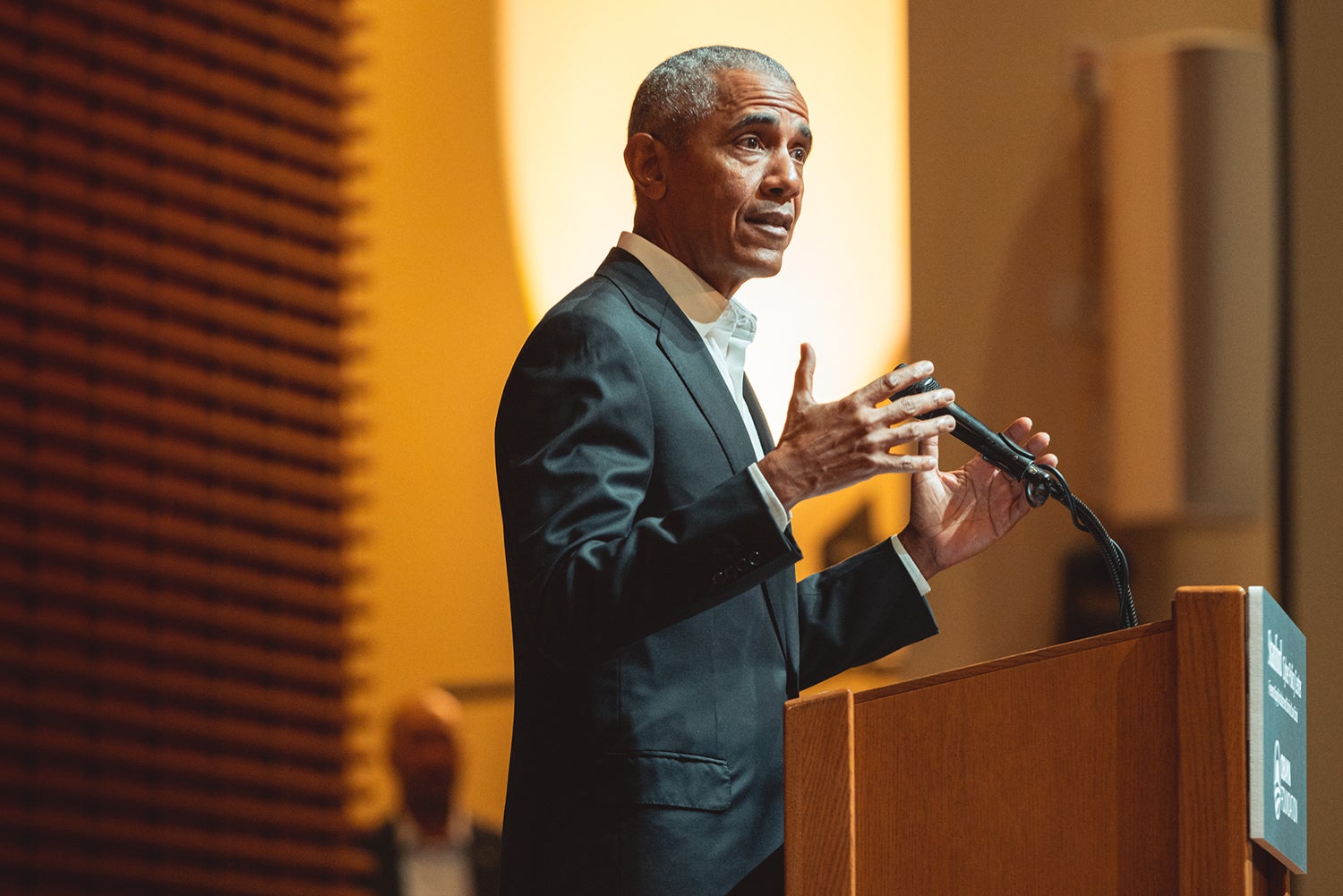
Former President Barack Obama has issued one of his most serious warnings yet about the direction the United States is heading, expressing deep concern over what he describes as an erosion of democracy under Donald Trump’s influence.
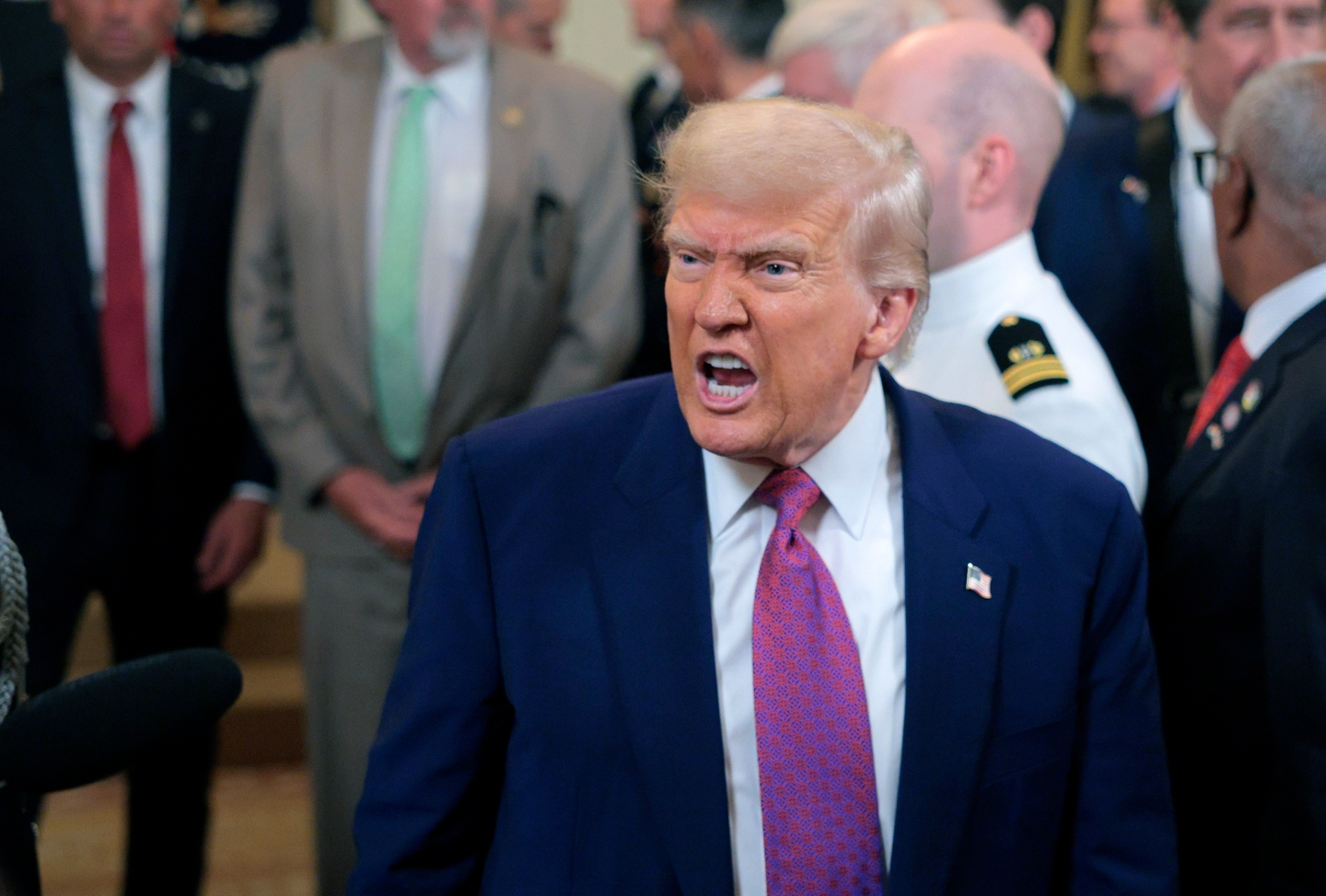
Since leaving office in 2017, Obama has mostly remained on the sidelines, occasionally criticizing Trump’s policies. But in a powerful speech on June 17 in Hartford, Connecticut, his message took a far more urgent tone.
“What we’re seeing right now is not consistent with American democracy,” Obama warned.
“It is consistent with autocracies — like Hungary under Orbán.”
A Democracy in Danger?
Obama believes the U.S. is “dangerously close” to sliding toward autocracy — a system where power is held by one leader without checks and balances.
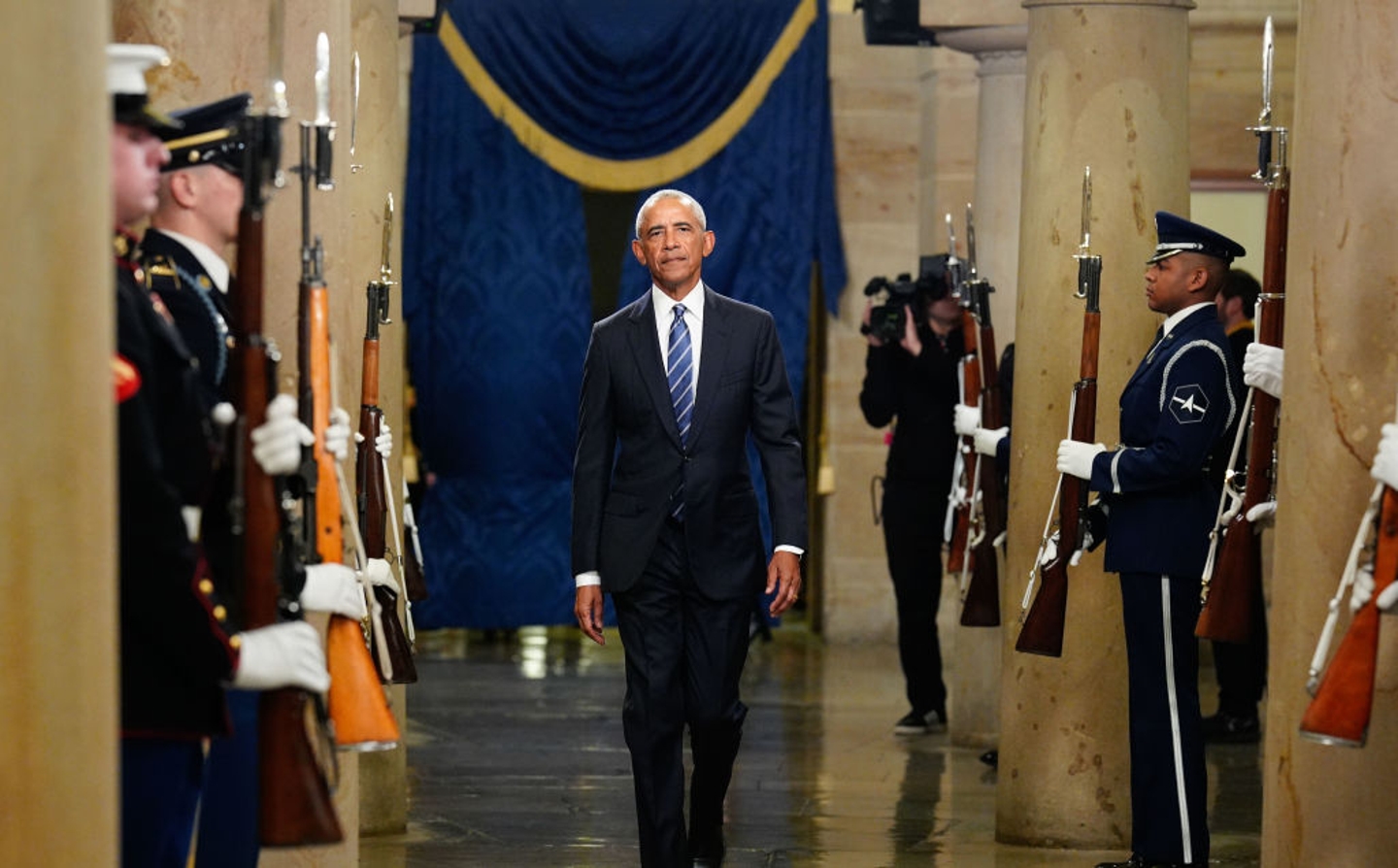
He highlighted signs of authoritarian behavior:
-
Weak commitment to democratic norms
-
Disregard for accountability and the rule of law
-
A push toward centralized power
Obama compared current trends in the U.S. to authoritarian governments that hold elections but silence dissent, ignore public input, and bypass legal oversight.
The Context: Rising Public Unrest
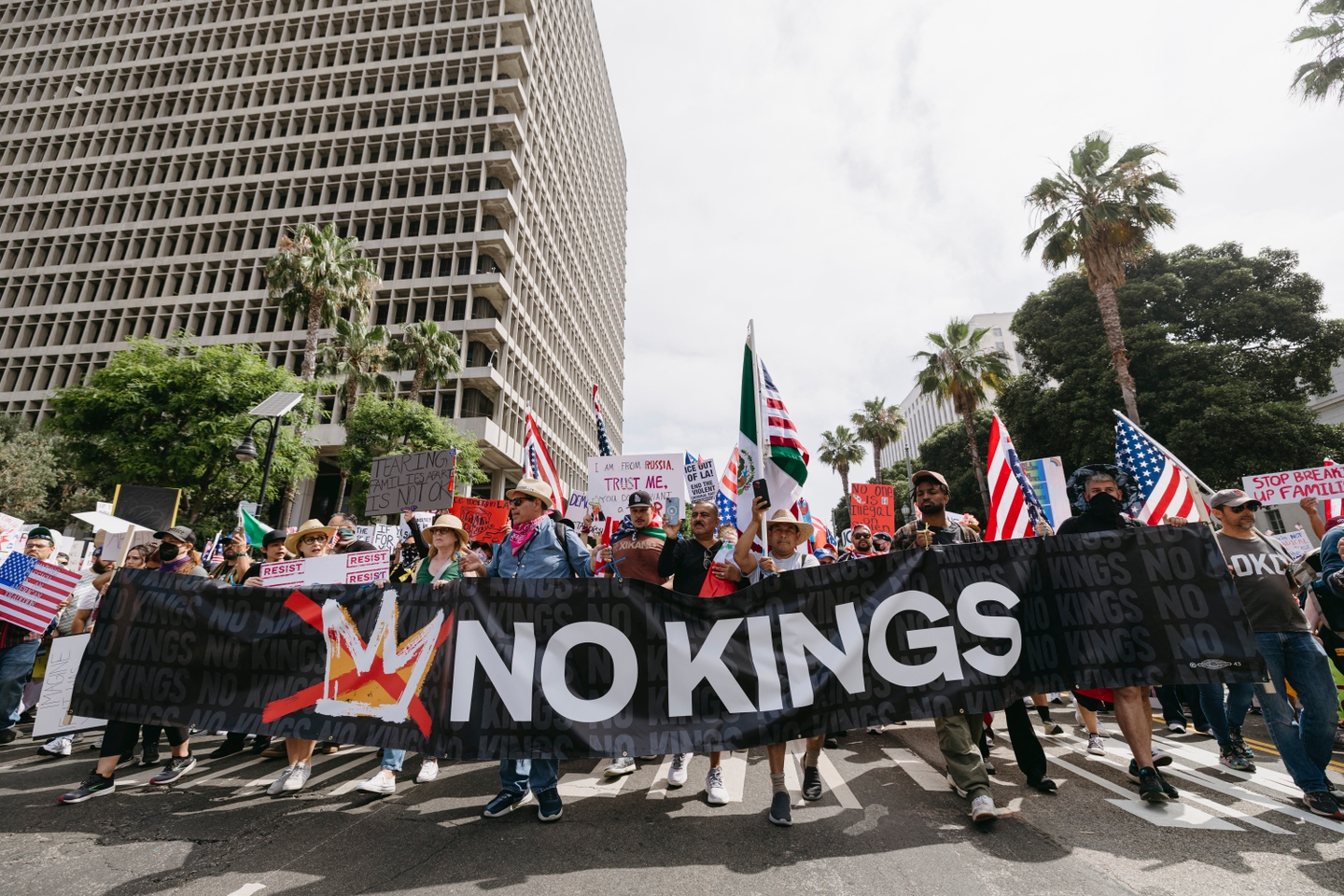
Just days before Obama’s speech, protests erupted across all 50 states under the banner “No King” rallies — a direct rebuke of Trump’s leadership. Protesters criticized policies favoring elites, militarization of institutions, and the increasing use of force, including Trump’s deployment of the National Guard in cities like Los Angeles.
Obama acknowledged this public pushback as necessary, but stressed that elected leaders must also defend democratic institutions:
“There have to be people in government, in both parties, who say, ‘No, you can’t do that.’”
Obama’s Call to the Next Generation
Despite his concerns, Obama’s message wasn’t without hope.
He encouraged young people to be “impatient with injustice” but to remember that real change requires building bridges, not burning them.
“It’s a game of addition, not subtraction,” he said.
“You have to find common ground with those who may not agree on everything, but agree on something.”
He concluded with a reminder of what keeps democracy alive: human connection, mutual understanding, and collaboration.
“That’s not just the basis for democracy — that’s the basis for our long-term salvation.”