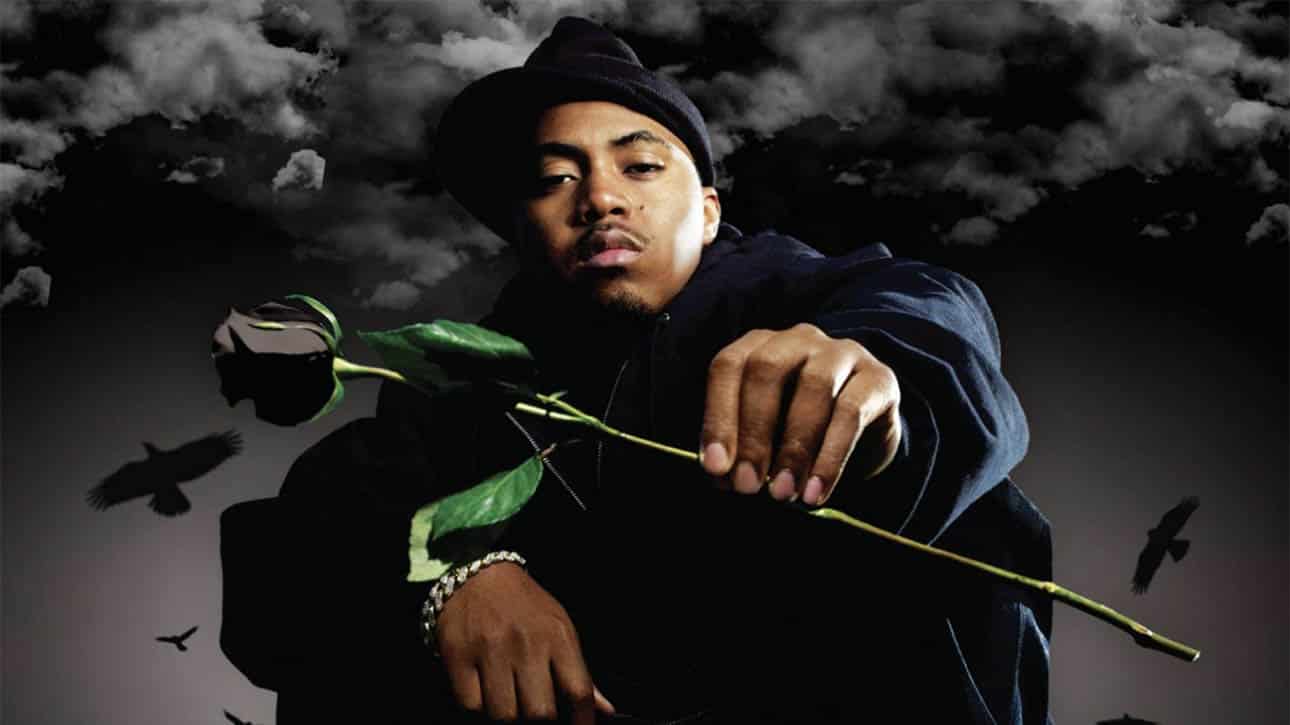
The hip-hop legend reflects on the genre’s fall and revival — from near collapse to a surprise resurrection powered by veterans and new voices.
When Nasir “Nas” Jones dropped his landmark album Hip Hop Is Dead in 2006, the title sparked outrage and debate across the culture. Fast-forward to October 2025: the Queensbridge icon is revisiting the statement — and offering a more nuanced take.
In a candid interview, Nas admitted: “I used to say hip-hop is dead. It is kind of dead, but we have to think about it, in a sense, like that.” REVOLT+1
Why such harsh words now? He explained that while the genre remains dominant, parts of it have lost their soul—oversaturation, viral-first mentality, and commercial shortcuts threaten its creative core.
Yet, even as he criticized the landscape, he pointed to a surprising glimmer of hope. Nas singled out Kendrick Lamar and Clipse as the ones revitalizing hip-hop’s spirit: “This year is really incredible. I mean, Kendrick’s been on a roll, Clipse’s cooking…” REVOLT+1
What does this mean for the culture?
-
A wake-up call for quality: Nas’s blunt statement acts as a culture check — reminding artists and fans that popularity doesn’t always equal artistic depth.
-
Revival through legacy + fresh blood: By praising veterans and newer voices alike, Nas highlights that hip-hop’s future may depend on bridging generations.
-
A prompt for introspection: For fans and creators in markets like Nepal and the global diaspora, the message is the same: ask whether your local scene is chasing trends or building something lasting.