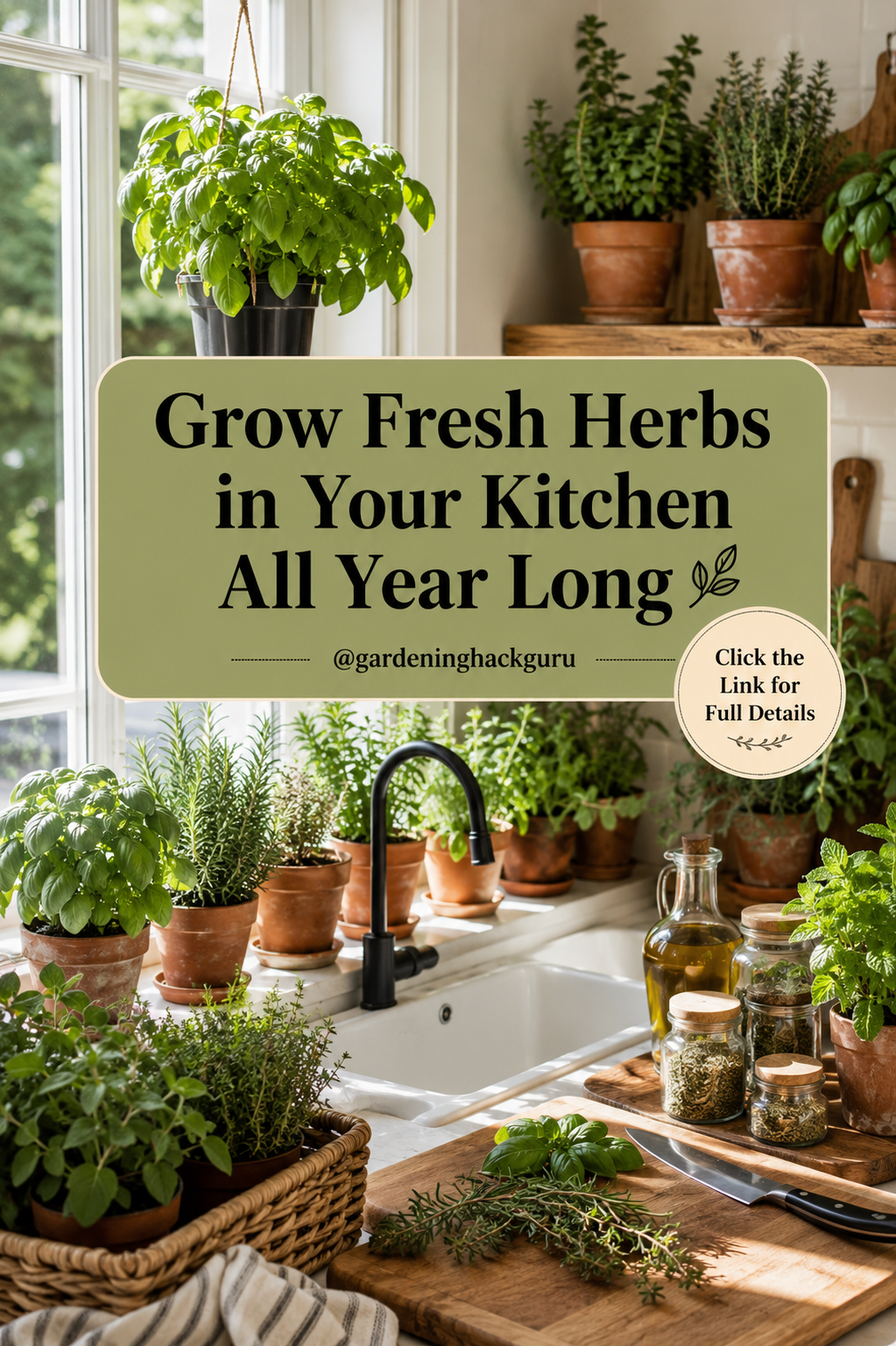
Imagine snipping fresh basil for homemade pasta, fragrant rosemary for roasted vegetables, or refreshing mint for iced tea—all without stepping outside. Growing herbs in your kitchen is one of the easiest and most rewarding ways to enjoy fresh flavors year-round. Not only do indoor herbs save money, but they also make your kitchen feel vibrant, cozy, and full of life.
Whether you have a spacious kitchen or a tiny apartment, you can successfully grow herbs indoors with the right setup. From sunny windowsills to hanging planters and countertop gardens, there are countless ways to keep fresh herbs within arm’s reach.
Here are the best tips and ideas to help you grow fresh herbs in your kitchen all year long.
Why Grow Herbs Indoors?
Indoor herb gardens offer more than just fresh ingredients. They also improve your home’s appearance and make cooking much more enjoyable.
Benefits include:
- Fresh herbs anytime you cook
- Save money on grocery bills
- Less food waste
- Beautiful natural kitchen décor
- Pleasant fresh fragrance
- Easy gardening for beginners
With just a few pots and some sunlight, you can enjoy homegrown herbs every day.
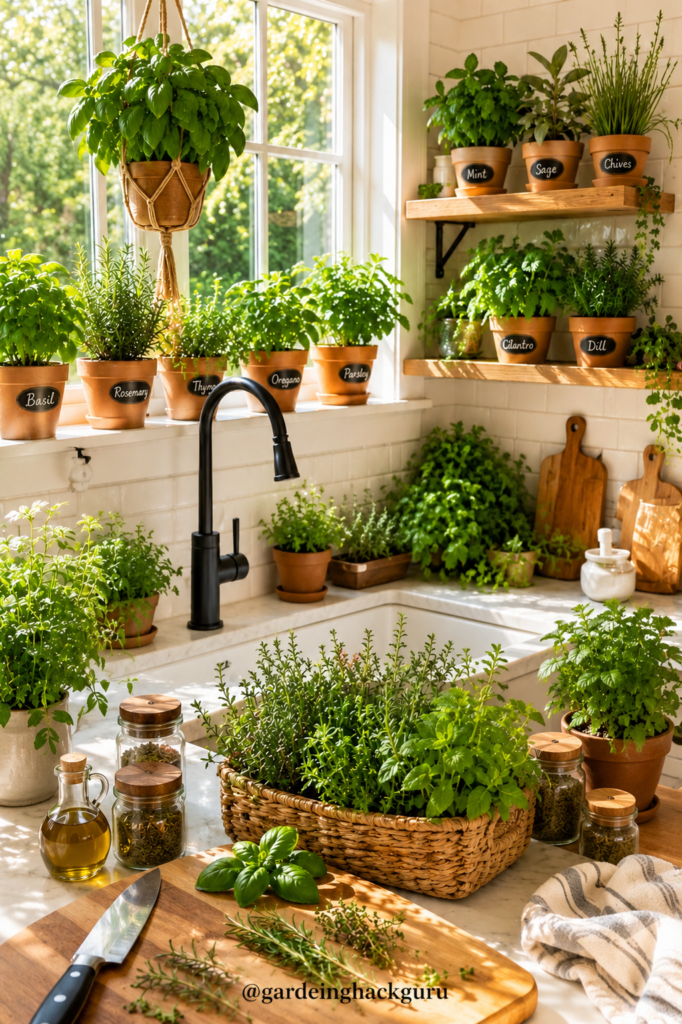
1. Choose the Right Kitchen Location
The success of your indoor herb garden starts with choosing the perfect spot.
Most herbs need 6–8 hours of sunlight every day. A south-facing or west-facing window usually provides the best light.
Great locations include:
- Kitchen windowsills
- Sunny countertops
- Open shelves near windows
- Hanging planters beside windows
If your kitchen doesn’t receive enough natural light, use a small LED grow light to keep herbs healthy.
2. Grow Easy Herbs for Beginners
Some herbs are much easier to grow indoors than others.
Excellent beginner-friendly herbs include:
- Basil
- Mint
- Parsley
- Chives
- Cilantro
- Oregano
- Thyme
- Rosemary
- Sage
- Dill
These herbs thrive indoors with minimal care and are used in countless recipes.
3. Use the Right Containers
Good drainage is essential for healthy herbs.
Choose containers with drainage holes to prevent water from sitting around the roots.
Popular choices include:
- Terracotta pots
- Ceramic planters
- Wooden herb boxes
- Hanging baskets
- Self-watering pots
Matching pots also create a clean, organized kitchen aesthetic.
4. Use High-Quality Potting Mix
Avoid using regular garden soil indoors.
Instead, use a lightweight, well-draining potting mix designed for container plants.
Good potting soil helps:
- Prevent root rot
- Improve drainage
- Encourage healthy growth
- Hold nutrients longer
Healthy soil leads to healthier herbs.
5. Water Carefully
One of the biggest mistakes is overwatering.
Most herbs prefer slightly moist soil—not soggy soil.
Before watering, stick your finger about an inch into the soil.
If it feels dry, water thoroughly until excess water drains from the bottom.
Avoid leaving pots sitting in standing water.
6. Harvest Herbs Regularly
Regular harvesting actually encourages many herbs to become bushier.
Use clean scissors and trim just above a leaf node.
Never remove more than one-third of the plant at a time.
Frequent harvesting keeps herbs healthy while providing fresh ingredients for your meals.
7. Rotate Your Plants
Indoor herbs naturally lean toward sunlight.
Rotate each pot every few days so every side receives equal light.
This helps plants grow evenly and prevents them from becoming tall and weak.
8. Feed Herbs Occasionally
Herbs don’t require heavy fertilizing, but occasional feeding keeps them productive.
Use a balanced liquid fertilizer every 4–6 weeks during active growth.
Too much fertilizer can reduce the flavor of your herbs, so feed sparingly.
9. Create a Beautiful Kitchen Herb Display
Your herb garden can become part of your kitchen décor.
Arrange herbs using:
- Matching terracotta pots
- Wooden floating shelves
- Hanging macramé planters
- Decorative baskets
- Modern plant stands
A stylish herb garden adds warmth and greenery to any kitchen.
10. Group Herbs with Similar Needs
Some herbs enjoy similar growing conditions.
Mediterranean herbs like:
- Rosemary
- Thyme
- Oregano
- Sage
prefer slightly drier soil.
Meanwhile:
- Basil
- Parsley
- Cilantro
prefer consistently moist soil.
Grouping similar herbs makes care much easier.
11. Watch for Common Problems
Indoor herbs are generally easy to care for, but they can occasionally develop issues.
Look out for:
- Yellow leaves from overwatering
- Leggy growth from too little light
- Wilting from underwatering
- Small insects like aphids or spider mites
Most problems can be solved quickly by adjusting watering, improving light, or gently washing the leaves.
12. Enjoy Fresh Herbs Every Day
The best part of an indoor herb garden is using it daily.
Fresh herbs instantly elevate meals like:
- Pasta
- Soups
- Salads
- Pizza
- Sandwiches
- Roasted vegetables
- Omelets
- Smoothies
- Herbal teas
A quick snip from your kitchen garden adds incredible flavor and freshness to every dish.
Best Herbs to Grow Indoors
If you’re wondering where to start, these herbs are excellent choices:
- Basil
- Mint
- Rosemary
- Thyme
- Oregano
- Parsley
- Cilantro
- Chives
- Sage
- Dill
- Lemon Balm
- Tarragon
These herbs are productive, easy to maintain, and perfect for everyday cooking.
Tips for a Thriving Indoor Herb Garden
- Give herbs plenty of sunlight.
- Water only when the top inch of soil feels dry.
- Use pots with drainage holes.
- Harvest often to encourage new growth.
- Rotate plants weekly for even growth.
- Feed lightly every month.
- Remove yellow or dead leaves promptly.
- Keep herbs away from cold drafts and heating vents.
Following these simple habits will keep your herbs healthy and productive all year long.
Final Thoughts
Growing fresh herbs in your kitchen is one of the easiest ways to bring nature indoors while making everyday cooking more enjoyable. With just a sunny window, quality potting soil, and a little routine care, you can harvest flavorful herbs throughout the year.
Whether you choose a simple windowsill garden, stylish hanging planters, or a beautiful countertop display, an indoor herb garden adds beauty, fragrance, and convenience to your home. Start with a few easy herbs like basil, parsley, and mint, and before long you’ll have a thriving kitchen garden that keeps your favorite recipes fresh, delicious, and full of homegrown flavor every season.