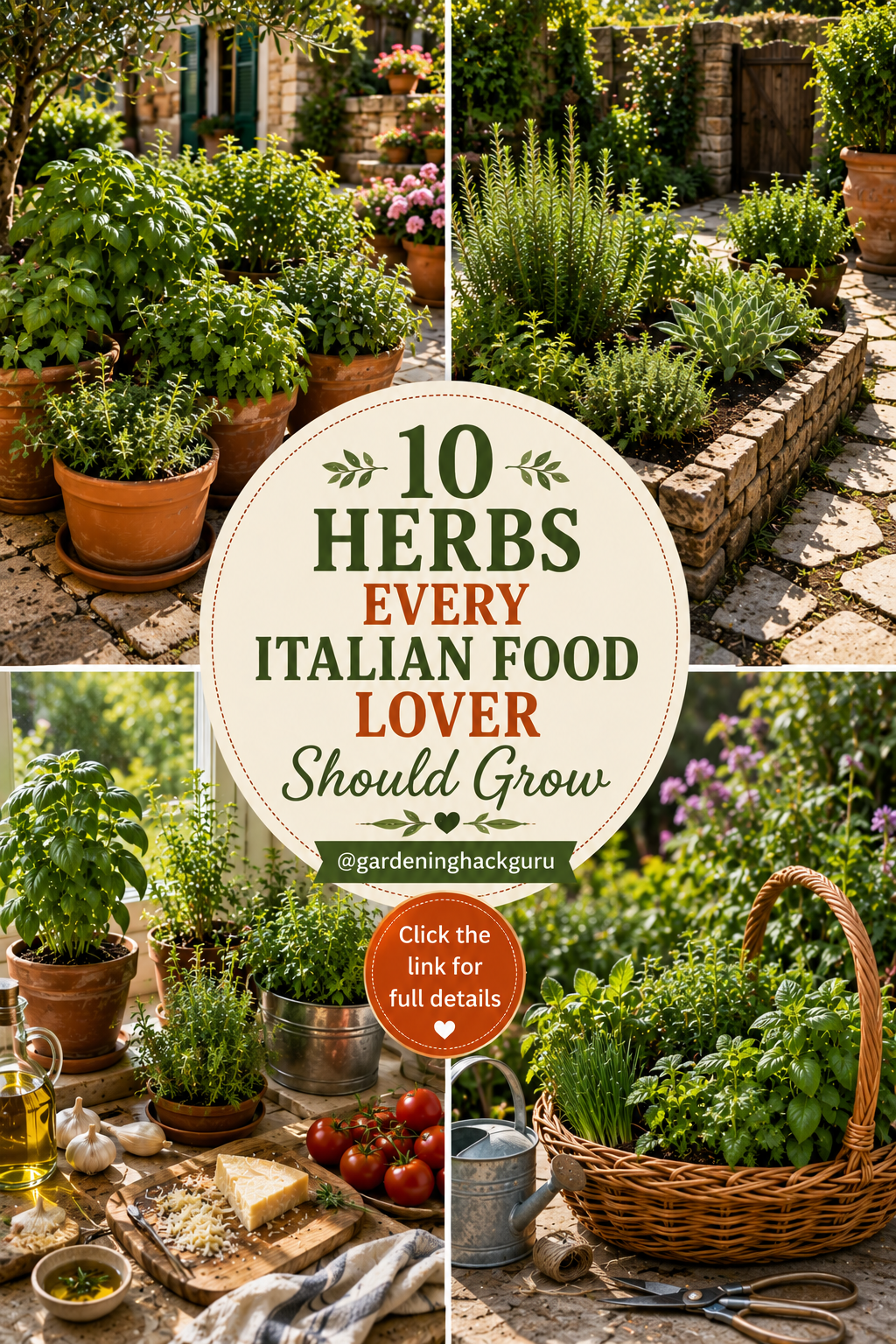
Few things elevate a home-cooked Italian meal like fresh herbs picked straight from your garden. While dried herbs are convenient, nothing compares to the flavor, aroma, and freshness of herbs grown at home.
The good news is that many classic Italian herbs are surprisingly easy to grow. Whether you have a large backyard, a small balcony, or just a sunny windowsill, you can create your own Italian herb garden and enjoy fresh ingredients all season long.
Here are 10 herbs every Italian food lover should grow.
1. Basil
Basil is the king of Italian herbs. Its sweet, slightly peppery flavor is essential in countless Italian dishes.
Perfect for:
- Pesto
- Caprese salad
- Pasta sauces
- Pizza toppings
Basil loves sunshine and regular harvesting. The more you pick, the more it grows.
2. Oregano
Oregano is a staple in Italian cooking and one of the easiest herbs to grow.
Use it in:
- Pizza sauce
- Tomato-based dishes
- Marinades
- Roasted vegetables
Once established, oregano requires very little maintenance and produces abundant harvests.
3. Rosemary
Rosemary adds a rich, woodsy flavor that pairs beautifully with meats, potatoes, and bread.
Benefits:
- Drought tolerant
- Evergreen in many climates
- Beautiful ornamental plant
- Highly fragrant
It grows well in containers and sunny garden beds.
4. Thyme
Thyme is a versatile herb that complements many Italian recipes.
It works wonderfully in:
- Soups
- Roasted vegetables
- Chicken dishes
- Pasta sauces
Thyme thrives in well-draining soil and requires very little attention.
5. Parsley
Parsley is one of the most commonly used herbs in Italian kitchens.
Popular uses include:
- Garnishes
- Salads
- Sauces
- Seafood dishes
Flat-leaf Italian parsley is especially prized for its bold flavor.
6. Sage
Sage has a rich, earthy flavor that pairs perfectly with butter sauces and hearty meals.
Try it with:
- Ravioli
- Gnocchi
- Roasted chicken
- Pork dishes
Its soft gray-green leaves also add beauty to the garden.
7. Marjoram
Marjoram is closely related to oregano but offers a sweeter and more delicate flavor.
It’s excellent in:
- Tomato sauces
- Vegetable dishes
- Soups
- Herb blends
Many gardeners consider it a hidden gem of Italian cooking.
8. Chives
Chives provide a mild onion flavor that works well in many dishes.
Use them in:
- Salads
- Pasta dishes
- Herb butter
- Egg recipes
They’re easy to grow and return year after year.
9. Bay Laurel
Bay leaves are a key ingredient in many Italian soups, stews, and slow-cooked sauces.
A bay laurel plant:
- Can be grown in containers
- Provides fresh bay leaves year-round
- Makes an attractive ornamental plant
Its slow growth makes it ideal for patios and small gardens.
10. Mint
While not always associated with traditional Italian seasoning blends, mint is commonly used in many Italian salads, beverages, and Mediterranean-inspired dishes.
It grows quickly and adds refreshing flavor to:
- Salads
- Desserts
- Drinks
- Fruit dishes
Because it spreads aggressively, mint is best grown in containers.
How to Start an Italian Herb Garden
Starting an Italian herb garden is easier than most people think.
For best results:
- Choose a sunny location.
- Use well-draining soil.
- Water consistently but avoid overwatering.
- Harvest regularly to encourage growth.
- Grow herbs in containers if space is limited.
Even a few pots on a balcony can provide enough fresh herbs for everyday cooking.
Final Thoughts
Growing your own Italian herbs is one of the easiest and most rewarding gardening projects. Not only will you save money on store-bought herbs, but you’ll also enjoy fresher flavors and healthier plants right outside your door.
Whether you’re making homemade pizza, pasta, soup, or pesto, these herbs can transform ordinary meals into authentic Italian-inspired dishes.
Start with basil, oregano, and rosemary, then expand your herb collection over time. Before long, you’ll have a thriving Italian herb garden that keeps your kitchen stocked with fresh flavor all year long.