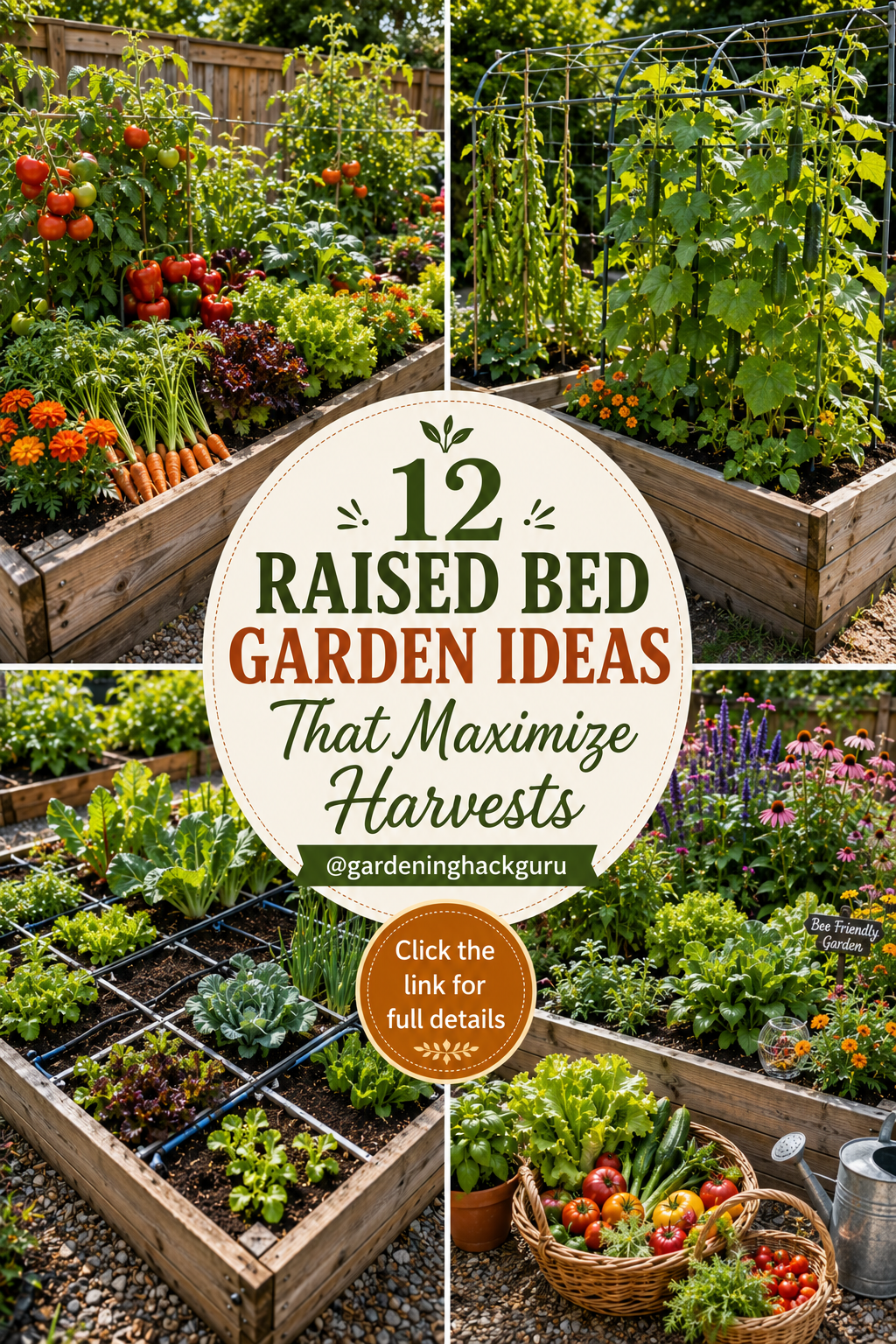
Raised bed gardening has become one of the most popular ways to grow vegetables, herbs, and flowers—and for good reason. Raised beds offer better drainage, improved soil quality, fewer weeds, and easier maintenance. But beyond convenience, the right raised bed design can dramatically increase your harvests.
Whether you’re working with a large backyard or a small garden space, these raised bed ideas will help you grow more food while making gardening easier and more enjoyable.
Why Raised Beds Produce Bigger Harvests
Raised beds allow gardeners to control soil quality, spacing, watering, and plant health more effectively. Because the soil warms up faster in spring and drains better after rain, plants often grow faster and produce more.
By combining smart layouts with productive planting techniques, you can maximize every square foot of growing space.
1. Use Deep Raised Beds for Root Crops
Carrots, potatoes, onions, beets, and radishes grow best when roots have plenty of room to expand.
Deep raised beds allow:
- Better root development
- Improved drainage
- Larger vegetables
- Healthier plants
A depth of 12 to 18 inches works well for most root crops.
2. Create Narrow Beds for Easy Access
Beds that are too wide make harvesting and maintenance difficult.
Aim for beds around 3 to 4 feet wide so you can easily reach every plant without stepping on the soil.
This prevents soil compaction and keeps roots healthy.
3. Install Trellises for Vertical Growing
Vertical gardening is one of the easiest ways to increase production.
Grow upward using trellises for:
- Cucumbers
- Beans
- Peas
- Tomatoes
- Squash
This saves space while improving airflow and reducing disease problems.
4. Practice Square Foot Gardening
Square foot gardening divides raised beds into smaller planting sections.
Benefits include:
- Better organization
- Less wasted space
- Higher yields
- Easier crop planning
Every square foot is used efficiently, making this method perfect for smaller gardens.
5. Grow Companion Plants Together
Certain plants benefit when grown near each other.
Examples include:
- Tomatoes and basil
- Carrots and onions
- Cucumbers and nasturtiums
- Lettuce and radishes
Companion planting can improve growth while naturally discouraging pests.
6. Add Drip Irrigation
Consistent watering is essential for healthy harvests.
Drip irrigation:
- Delivers water directly to roots
- Reduces evaporation
- Conserves water
- Encourages stronger growth
Plants that receive steady moisture generally produce more fruit and vegetables.
7. Succession Plant Throughout the Season
Don’t leave empty space after harvesting.
Once one crop is finished, immediately plant another.
For example:
- Lettuce → Beans
- Radishes → Cucumbers
- Spinach → Peppers
Succession planting keeps beds productive for months.
8. Mix Vegetables and Pollinator Flowers
Flowers attract bees and other pollinators that help improve vegetable production.
Excellent pollinator flowers include:
- Marigolds
- Zinnias
- Calendula
- Nasturtiums
A few flowers can significantly increase harvests.
9. Use Quality Compost Every Season
Healthy soil equals healthy harvests.
Add compost before planting to:
- Improve soil structure
- Increase nutrients
- Boost microbial activity
- Improve moisture retention
Compost is one of the best investments you can make in your garden.
10. Grow High-Yield Crops
Some vegetables naturally produce more food than others.
High-yield crops include:
- Tomatoes
- Cucumbers
- Pole beans
- Zucchini
- Peppers
- Lettuce
Focusing on productive crops helps maximize every raised bed.
11. Add Protective Covers
Row covers and garden netting can protect plants from pests and harsh weather.
Benefits include:
- Reduced insect damage
- Healthier plants
- Longer growing seasons
- Increased yields
Simple protection often leads to bigger harvests.
12. Plan Your Layout Before Planting
Successful raised bed gardens start with good planning.
Place:
- Tall plants on the north side
- Medium plants in the center
- Short crops along edges
This ensures every plant receives enough sunlight and growing space.
Final Thoughts
Raised beds are one of the smartest ways to grow more food with less effort. By using vertical growing methods, improving soil quality, practicing succession planting, and choosing productive crops, you can dramatically increase your harvests without expanding your garden.
Start with one or two of these ideas and gradually incorporate more techniques over time. With proper planning and care, your raised beds can become some of the most productive spaces in your entire garden.
The result is healthier plants, bigger harvests, and a more rewarding gardening experience all season long.